Heritage, Unity and Culture Take Centre Stage at Jinja Rugby Grounds
The streets of Jinja City came alive with colour, culture and celebration as Uganda joined the rest of the world to commemorate International Museum Day (IMD) 2026 under the global theme, “Museums Uniting a Divided World,” and the national theme, “Museums as Bridges of Unity and Shared Heritage.”
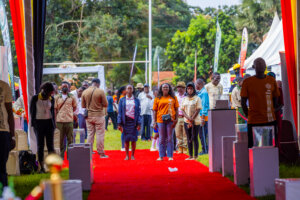
The national celebrations, hosted at the Jinja Rugby Grounds, began with a vibrant heritage procession through the heart of Jinja City. Participants drawn from museums, cultural institutions, schools, government agencies, tourism bodies, community heritage groups and cultural performers marched from Jinja Town Hall in a symbolic parade celebrating identity, memory and national unity.
Traditional drummers, dancers, storytellers, students, and heritage enthusiasts transformed the city into a moving exhibition of Uganda’s cultural richness, drawing crowds of residents and visitors who lined the streets to witness the spectacle.
The celebrations attracted key stakeholders from Uganda’s heritage and tourism sectors, including cultural institutions, academia, civil society organizations, museum professionals, development partners, local governments and community custodians of heritage.
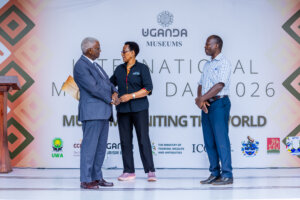
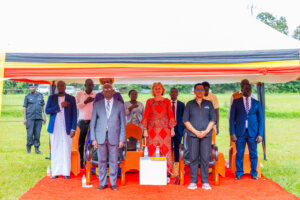
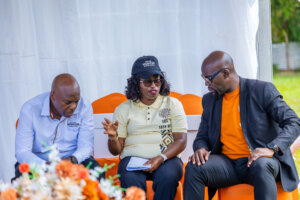
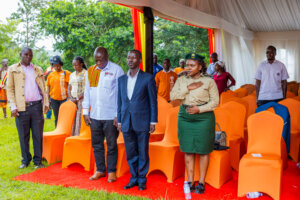
The Chief Guest, Hon. Col. (Rtd.) Tom Butime, Minister of Tourism, Wildlife and Antiquities, was officially received at the grounds by the Permanent Secretary of the Ministry, Mrs. Doreen S. Katusiime. The Minister was flanked by Uganda’s Ambassador to Belgium, Her Excellency Mirjam Blaak, and Uganda’s Ambassador to the consulate in Arusha, H.E Ann Katusiime, underscoring the international and diplomatic significance of the celebrations.
Following his arrival, the Minister toured a wide range of exhibition stalls showcasing Uganda’s diverse heritage landscape. Exhibitors included among others, the Uganda Revenue Authority (URA), Uganda Police Museum, Jinja Railway Museum, the Traditional Medicine Mobile Museum Van, community museums from Teso and Mbale, the Cross-Cultural Foundation of Uganda (CCFU), Uganda Wildlife Research and Training Centre (UWRTC), Hotel and Tourism Training Institute (HTTI),Craft Makers, among others.
The exhibitions painted a vivid picture of Uganda’s cultural memory, industrial history, indigenous knowledge systems, conservation efforts and evolving museum practice. Visitors interacted with artifacts, archival materials, traditional medicinal demonstrations, photography exhibitions, digital heritage innovations and storytelling sessions that highlighted the role museums play in preserving collective identity.
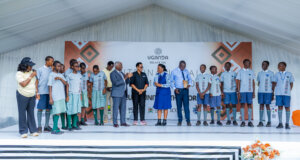
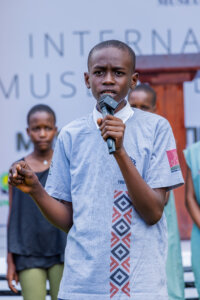
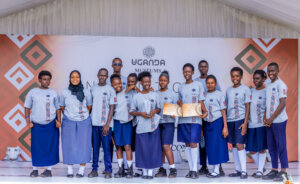
Schoolchildren and students from various schools across Jinja took centre stage with performances themed around unity, peace building, cultural pride, and heritage preservation. Drama, poetry, traditional dance, spoken word and music performances energized the celebrations while demonstrating the growing role of youth participation in heritage conservation.
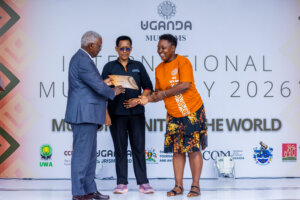
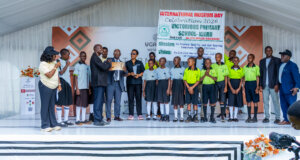
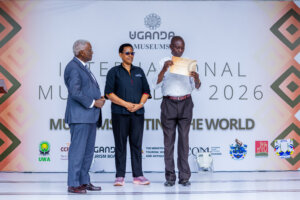
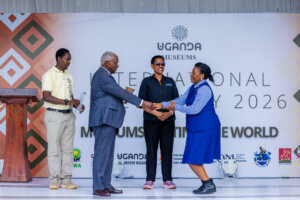
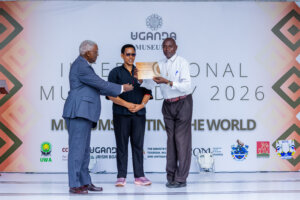
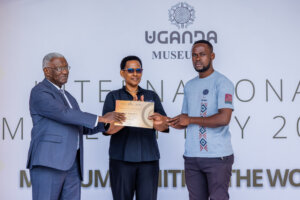
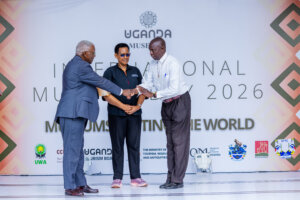
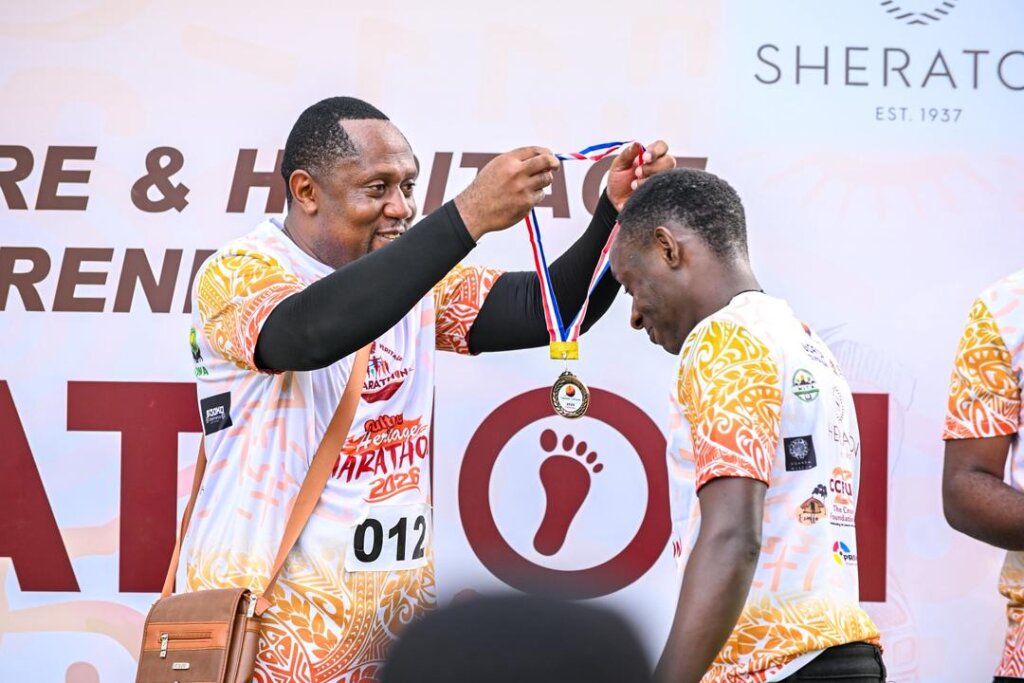
The event also recognized winners from prior engagements leading up to the celebrations, including school quizzes and heritage competitions designed to increase awareness and appreciation of museums among young people. The winners received awards and certificates from Hon. Butime in recognition of their creativity and knowledge of Uganda’s heritage.
MUSEUMS AS SPACES OF DIALOGUE AND UNITY
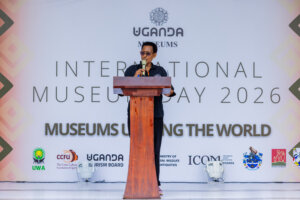
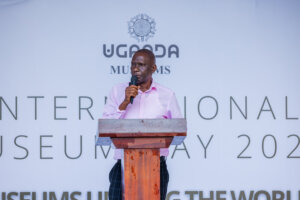
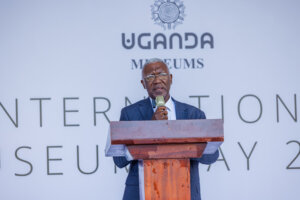
In his keynote address, Hon. Col. Tom Butime emphasized that museums today are no longer passive storehouses of artifacts, but dynamic institutions capable of fostering reconciliation, dialogue, education and social cohesion.
“In such a world increasingly divided by conflict, intolerance, misinformation and fragmentation, museums stand out as trusted institutions capable of rebuilding understanding and strengthening social cohesion,” the Minister said.
Col. Butime noted that Uganda’s cultural diversity presents a unique opportunity to use heritage as a tool for peace building and national unity.
“Our museums embody the stories, struggles, values and aspirations that connect us as one people despite our diversity,” he added.
The Minister further stressed that heritage conservation must remain central to Uganda’s development agenda, warning that modernization without cultural consciousness risks producing societies disconnected from their identity and memory.
“A nation that neglects its heritage risks losing its identity, cohesion, and historical consciousness,” he cautioned.
Hon. Butime also highlighted the growing contribution of museums and cultural heritage to tourism development, employment creation, and community livelihoods, describing cultural tourism as one of the fastest-growing sectors globally.
He commended museum professionals, curators, conservators, researchers, and community custodians for safeguarding Uganda’s heritage for future generations.
GOVERNMENT REAFFIRMS COMMITMENT TO HERITAGE PRESERVATION
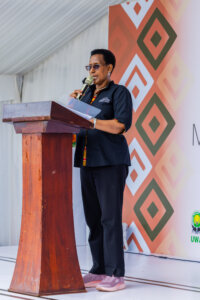
Permanent Secretary Doreen Katusiime reiterated Government’s commitment to strengthening museums and heritage institutions across the country through infrastructure development, conservation programmes, digital innovation and educational outreach.
She revealed that the Uganda Museum has undergone significant refurbishment and will soon reopen with improved visitor experiences while preserving its historical integrity.
The Ministry, she added, has also refurbished the Mugaba Palace Heritage Site in Mbarara City, advanced construction of the Karamoja Regional Museum in Moroto and undertaken preservation works at the historic Mwanga–Kabalega site in Kangai, Dokolo District.
“These investments demonstrate that museums are not merely custodians of the past, but strategic institutions for education, tourism development, innovation and national unity,” Katusiime said.
She further emphasized that museums are evolving into vibrant, participatory and people-centred institutions that foster learning, dialogue, reconciliation and peace building.
DIPLOMATS CALL FOR GLOBAL CULTURAL COOPERATION
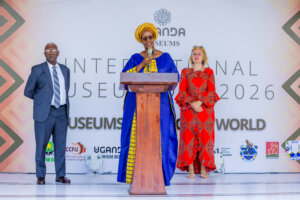
Uganda’s Ambassador to Belgium, Her Excellency Mirjam Blaak, described museums as powerful institutions for reconnecting societies with their past while shaping a more inclusive future.
“Museums help humanity recollect what happened in the past so that societies can learn, heal, and move forward together,” she remarked.
She noted that in an increasingly polarized world, cultural heritage provides an important foundation for diplomacy, mutual respect and intercultural understanding.
Uganda’s Ambassador to the Arusha Consulate, applauded Uganda’s growing efforts to position culture and heritage at the centre of regional tourism and international cooperation.
“Our heritage is not only a source of identity but also a bridge that connects nations, communities, and generations,” She said.
LEADERS HAIL JINJA AS HERITAGE AND TOURISM HUB
Speaking at the celebrations, the Chairperson of the Uganda Community Museums Association (UCOMA) praised community museums across the country for preserving local histories, traditions and indigenous knowledge systems often absent from mainstream narratives.
“Community museums are giving voice to local communities and ensuring that heritage conservation remains people-centred,” the Chairperson noted.
Jinja City leadership welcomed the hosting of the national celebrations, describing the event as a major boost to tourism visibility, cultural awareness, and local economic activity.
Jinja City Mayor described the city as a historical crossroads of culture, commerce, industry, and tourism.
“Jinja is proud to host a celebration that reminds us that heritage is not about the past alone; it is about shaping the future through unity, identity, and shared memory,” the Mayor said.
As the celebrations climaxed with cultural performances, exhibitions, storytelling and public engagement activities, one message resonated strongly throughout the day that museums are far more than buildings housing artifacts.
They are living bridges connecting communities, generations, nations and histories.
And in a world increasingly marked by division, Uganda’s International Museum Day 2026 celebrations in Jinja offered a powerful reminder that heritage remains one of humanity’s strongest tools for unity, dialogue and peaceful coexistence.