
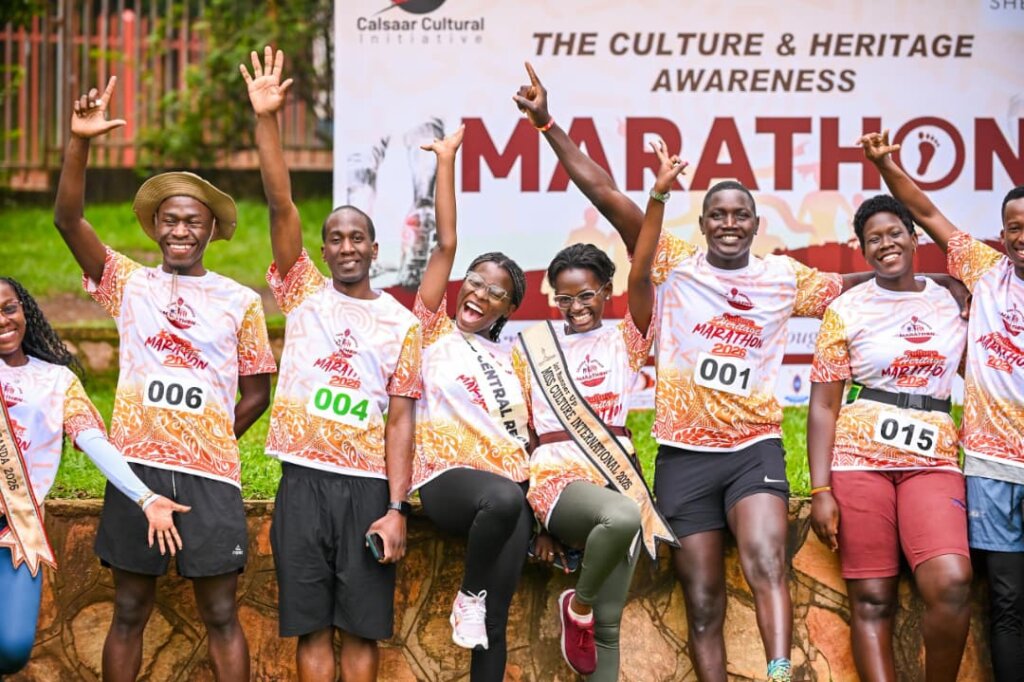
The determined footsteps of runners filled the streets of Kampala on May 10th, 2026, as Uganda hosted the second edition of the Culture & Heritage Awareness Marathon at the Sheraton Hotel, Kampala.
Organized by Calsaar Cultural Initiative in partnership with the ministry of Tourism Wildlife and Antiquities through her department of Museums under the theme, “Empowering Communities Through Cultural Heritage,” the marathon brought together cultural institutions, tourism stakeholders, youth, university students, cultural entrepreneurs, development partners, and members of the public in a spirited campaign to celebrate and safeguard Uganda’s rich cultural identity.
The event was made possible through the support of several partners and institutions. Sheraton Hotel offered the iconic Sheraton Gardens as the venue for the marathon activities, while Kampala Hospital provided medical and ambulance care to ensure the safety and well-being of participants throughout the event. Media coverage for the marathon was spearheaded by Top Notch Media, helping amplify the message of cultural preservation to wider audiences.
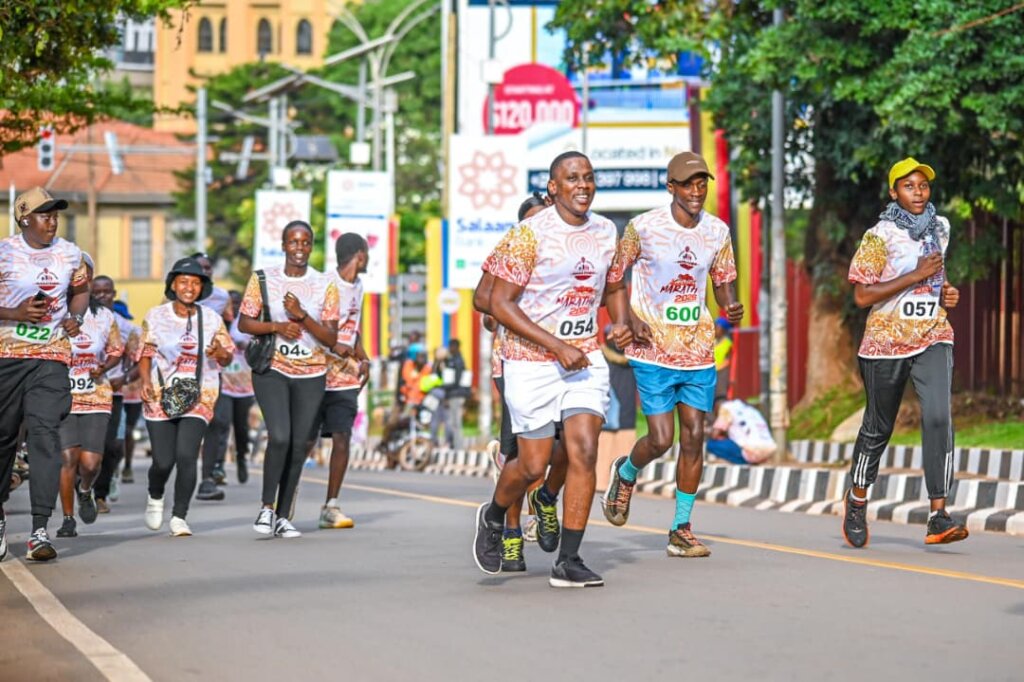
Far beyond a sporting event, the marathon emerged as a bold call to action on the urgent need to preserve, exercise and harness cultural heritage as a powerful driver for sustainable tourism, community empowerment and national development.
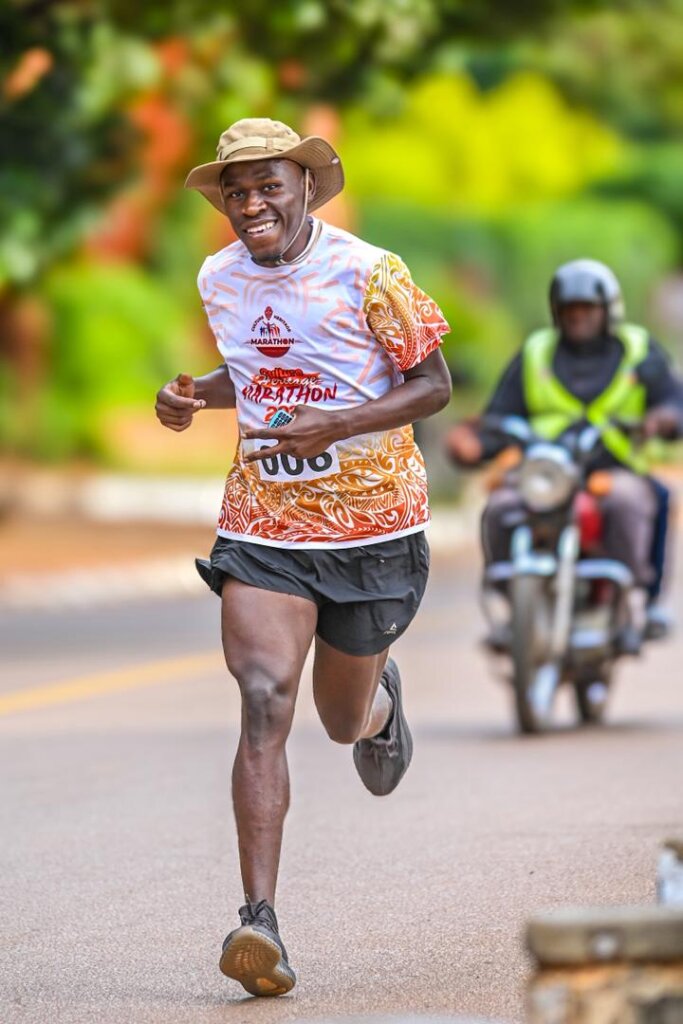
Marathon participants included representatives from the Office of the President, tour operators, university students, tourism stakeholders, partners and cultural advocates. These competed in both 5-kilometre and 10-kilometre races, with top performers in each category receiving medals, while all runners were awarded certificates in recognition of their participation.
The growing enthusiasm surrounding the marathon was also reflected in the increased uptake of participation kits, which rose significantly from 136 kits sold during last year’s inaugural edition to 186 kits this year. The proprietor of Calsaar Cultural Initiative, Mr Stephen Ssekajja says the steady rise signals a growing public appreciation of Uganda’s cultural heritage and an increasing willingness among young people, institutions and tourism players to actively participate in heritage-centered initiatives.
Beyond the race itself, the marathon is already planting seeds for long-term cultural and environmental sustainability. Partners have committed to supporting the preservation of indigenous tree species deeply tied to Uganda’s cultural identity, some of which are increasingly facing extinction. The initiative seeks to reconnect communities with traditional ecological knowledge while reinforcing the link between heritage conservation and environmental protection.
Among the environmental conservation partners was Lukango Tree Conservancy (LuTreeCo), which joined efforts aimed at restoring and safeguarding indigenous tree species tied to Uganda’s cultural heritage. Bark to the Roots also supported the initiative specifically through advocacy and preservation of the Mutuba tree, whose bark cloth remains one of Uganda’s most treasured cultural symbols and an important element of the country’s intangible heritage.
Organizers believe that preserving cultural heritage ties perfectly well into museums and monuments to include the safeguarding of indigenous biodiversity, traditional practices, and ancestral knowledge systems that have shaped communities for generations
The marathon served as a pre-event to the 2026 International Museum Day celebrations come 18th May 2026. Both events echoed a shared message on the growing importance of heritage preservation and its immense potential in advancing sustainable tourism and socio-economic transformation.
One of the standout moments leading up to the marathon was the Cultural & Heritage Awareness Symposium held at Makerere University under the theme: “Turning Culture into Action: Harnessing Heritage for Sustainable Community and Tourism Development.” The symposium created an important platform for dialogue around cultural preservation, community-based tourism, and the role of heritage in creating sustainable opportunities for communities across Uganda.
The symposium was further strengthened through collaboration with the Cross-Cultural Foundation of Uganda, which covered 50 percent of the symposium budget as the organization marked 20 years of championing the safeguarding and promotion of Uganda’s heritage.
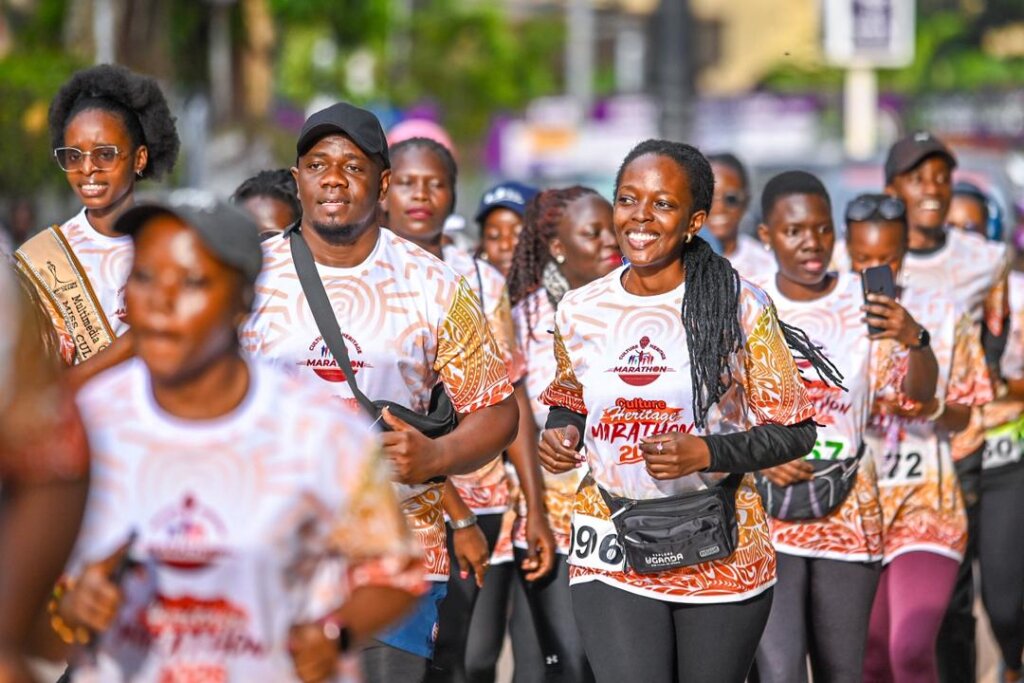
Adding colour and energy to the marathon were electrifying cultural performances coordinated by Bisoko Wellness Initiative, whose team creatively fused traditional cultural dances with modern aerobics during the warm-up session. The fusion transformed the event into a lively cultural fitness experience, reflecting how tradition and modernity can harmoniously coexist.
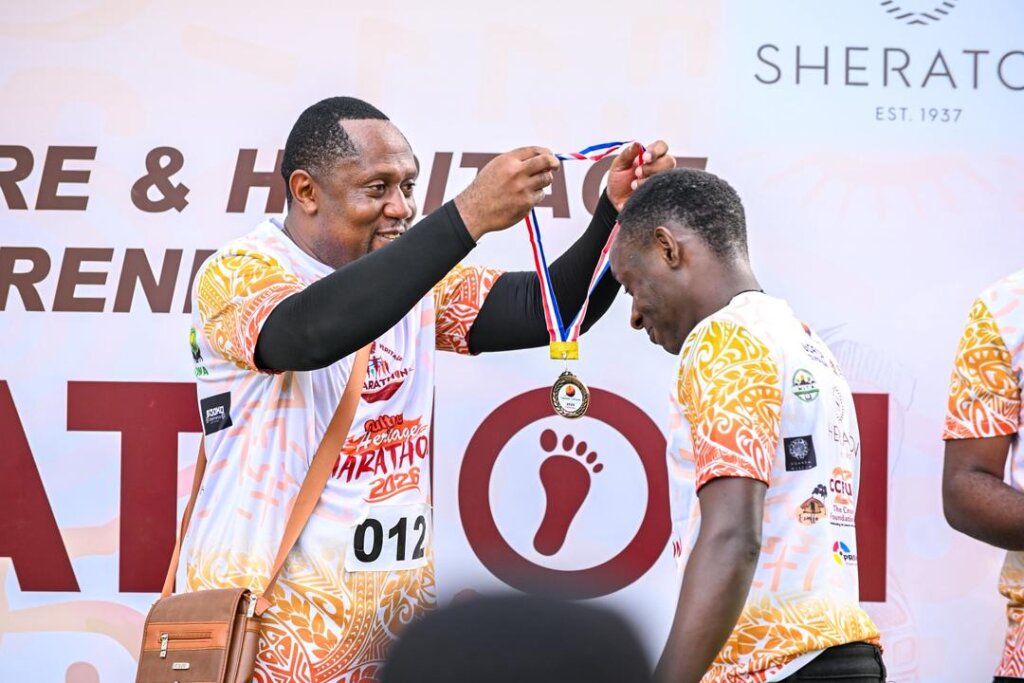
Speaking after the event, organizers applauded the overwhelming support from partners, volunteers, cultural groups, media houses, institutions, and participants who contributed to the success of the marathon.
As Uganda continues to position culture and heritage at the centre of sustainable development and tourism promotion, the marathon symbolized a growing movement determined to ensure that heritage is not merely remembered, but actively lived, celebrated, and transformed into opportunity for future generations.
Calsaar Cultural Initiative reaffirmed its commitment to promoting Uganda’s cultural wealth while empowering communities through heritage-centered initiatives and tourism development